Whether you are looking to export products, provide services, expand your customer base or enter new territories, understanding the UK’s network of Free Trade Agreements (FTAs) could help your business become more competitive overseas.
The extent of Free Trade Agreements
The UK Government has made great efforts to negotiate Free Trade Agreements, and similar arrangements with a large number of nations around the world, especially since its withdrawal from the EU in January 2020.
The UK currently has Free Trade Agreements in force with over 60 countries, covering both continuity agreements arising from EU Membership and new post-Brexit deals. In detail, the UK has some thirty-nine active free trade agreements covering some 102 countries and territories around the globe, and there are more such agreements that are still under negotiation.
The UK’s free trade network combines continuity agreements inherited from the EU with new bilateral and multilateral agreements negotiated post-Brexit. This network spans Europe, Asia-Pacific, the Americas, Africa, and the Middle East, providing UK businesses with preferential access to over 60 countries and territories. This structure allows the UK to maintain existing trade relationships while expanding into new markets independently.
These can (and do) vary enormously in terms of breadth and scope, but, in general, are intended to reduce the trade barriers between the UK and the overseas nation or region involved. Most of these are general trade in nature, but some do have a specific angle that makes them appropriate for UK civil aviation, defence, security and space companies and would be supportive of their overseas trade activities. Depending on the agreement, this can include reduced tariffs, improved market access, simplified trading arrangements and greater certainty for exporters and investors.
For ADS members, these agreements can provide practical opportunities to explore new markets, strengthen international partnerships and improve competitiveness when bidding for business overseas. While not every agreement will be relevant to every organisation, understanding which ones apply to your target markets could create valuable commercial opportunities.
New opportunities through CPTPP
One of the most significant recent developments was the UK’s accession to the Comprehensive and Progressive Agreement for Trans-Pacific Partnership (CPTPP) on 1 September 2026.
Under the terms of the CPTPP UK, businesses can now access the full benefits of Membership across all 11 CPTPP markets, covering economies worth almost £13 trillion in combined GDP with the UK included. The agreement is expected to deliver around £2 billion a year to the UK economy in the long term. This milestone gives UK businesses greater opportunities to export across some of the world’s fastest-growing markets through improved market access and fewer barriers to doing business overseas.
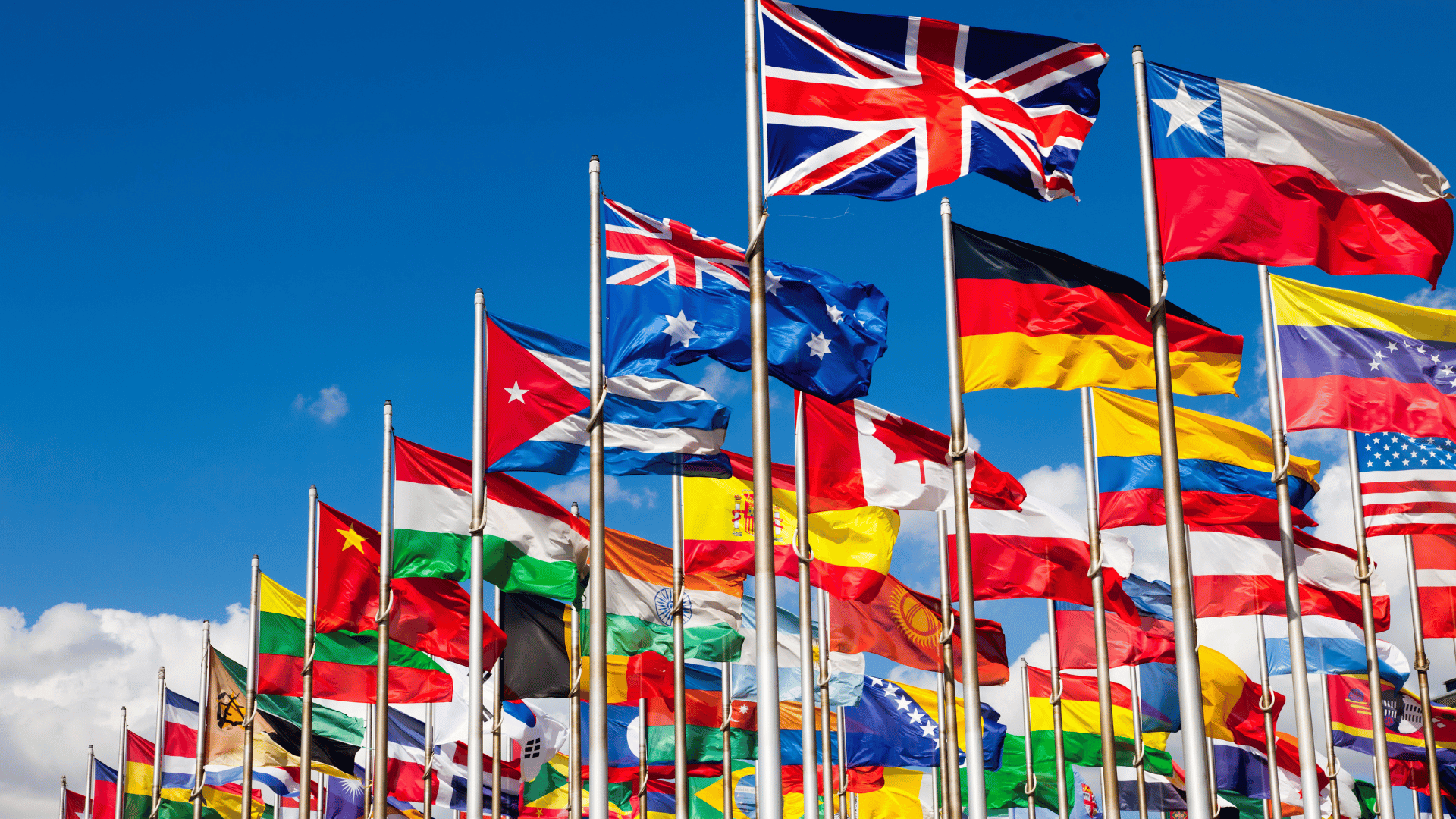
The CPTPP markets concerned are:
- Australia
- Brunei Darussalam
- Canada
- Chile
- Japan
- Malaysia
- Mexico
- New Zealand
- Peru
- Singapore
- Vietnam
The agreement brings together a diverse group of developed and emerging economies, creating new opportunities for exporters and internationally focused businesses. For ADS members already active in the Asia-Pacific region, or considering expansion into these markets, CPTPP has the potential to make international trade more accessible and commercially attractive.
The UK-India Trade Agreement
Another major development came in July 2026, when the UK and India implemented a Comprehensive Free Trade Agreement.
India remains one of the world’s most significant growth markets, but businesses have historically faced challenges when entering or expanding within the country. India has the highest average tariffs of any G20 economy, with some products attracting duties of more than 100%, creating additional cost and complexity for exporters.
The new agreement is intended to help address some of these barriers and improve opportunities for UK businesses seeking to do business in India. It is expected to increase bilateral trade by £25.5 billion, including £15.7 billion of which is expected to be from rising exports from UK businesses into India. As a result of this deal, UK GDP is expected to increase by £4.8 billion (0.1%) each and every year in the long term.
For ADS members with existing interests in India, or those considering future opportunities, the agreement may help create a more favourable environment for trade and commercial collaboration.
Understanding Free Trade Agreements
While these headline figures are useful indicators of potential opportunity, the real value of any trade agreement lies in understanding the detailed provisions and their potential relevance to support your commercial activities and aspirations to do business with each of the markets concerned.
Every agreement is different. Taking the time to understand the specific provisions that affect your business can help identify new routes to market, reduce costs and support international growth ambitions.
How ADS can help
ADS continues to monitor developments in UK trade policy, including trade agreements that the UK Government is negotiating with its overseas counterparts. When particularly relevant, it has sought to provide informal inputs into the negotiations, as these have been taking place.
For members, the UK’s growing network of trade agreements can be challenging, particularly for businesses exploring new export opportunities. We can help navigate what agreements might be especially relevant in your commercial dealings, and to understand what the potential implications might be.
ADS’ Policy & Public Affairs Team and International Business Development Team, can be contacted by members who have any particular queries relating to Free Trade Agreements. Also, ADS’ International Relations Committee aims to keep track of developments on this and other activities that have a direct bearing on members’ overseas business operations.
If your organisation is evaluating overseas opportunities or would like to understand how a particular trade agreement could support your commercial objectives, please get in touch.
Anouther resource is the Business Development Centre (BDC), offering information on global markets, programmes and tender notices across our sectors. Bringing together intelligence gathered from members, missions, and our network of national and international contacts, the BDC is a one-stop shop for opportunities to support your business.