
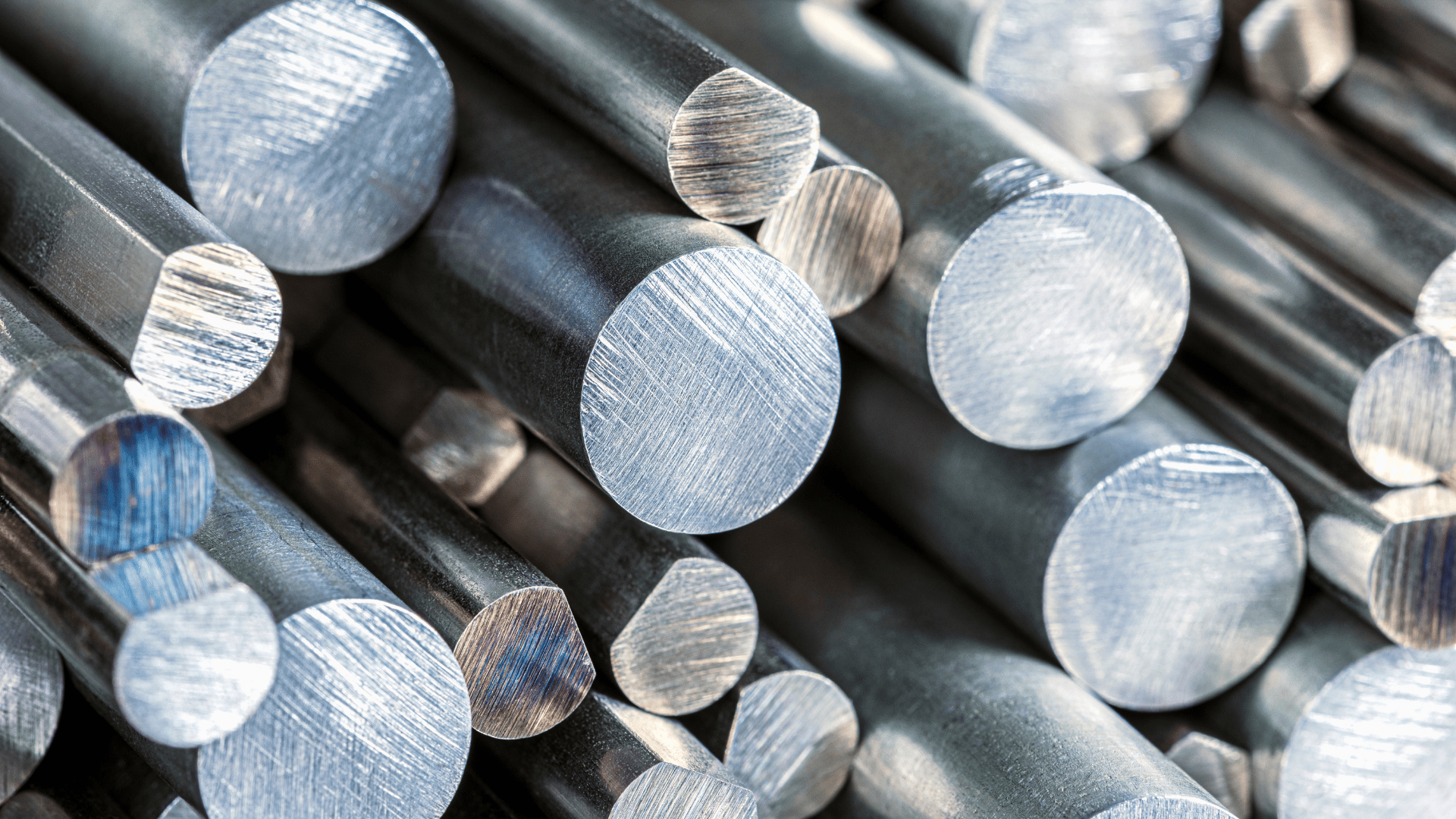
In less than a month’s time, the UK government will introduce a new Steel Trade Measure, designed – Ministers say – to protect and support UK domestic steel-making capability. As part of this, the Steel Trade Measure will slash quotas and hike tariffs on out-of-quota imports to 50%. While the intentions behind this policy are noble, the impacts will be far-reaching and potentially disastrous for our downstream sectors.
So, why is this? Well, the root of the problem is that the government’s Harmonized System (HS) codes and Standard Industrial Classification (SIC) codes do not discriminate between cheaper, imported steel – the kind causing the problem – and highly specialised aerospace and defence grade steels. These specialist steels must be imported for a number of significant reasons. First, many aerospace and defence grade steels simply cannot be produced in the UK anymore, forcing suppliers to source from abroad. Second, while there are some aerospace and defence grade steels that can be produced in the UK, they are currently not made in quantities sufficient to meet demand. Finally, aerospace and defence OEMs often directly specify which steel mills suppliers must use, meaning companies may have to source steel from abroad regardless of whether it is produced in the UK or not.
Taken together, this means our sectors risk getting slapped with tariffs over something they cannot control nor mitigate. In an age of heightened global competitiveness, a 50% tariff is clearly an imminent and existential threat. Indeed, ADS has already received feedback from members facing duty bills in excess of a third of annual business turnover. That cost alone – millions of pounds – is enough to put key companies out of business, or force them to make redundancies and move production out of the UK.
With impacted business delivering critical components for aerospace and defence programmes, including AUKUS, naval shipbuilding and civil aircraft, the potential impact goes much wider than headlines suggest. The loss of sovereign capability risks undermining national resilience at a time when it has scarcely been more important, while the global nature of ADS’ sectors means it is easy for OEMs to move work abroad if the UK becomes uncompetitive.
ADS is in no doubt that the Steel Trade Measure, while well-intentioned, could represent a colossal act of self-harm. Fundamentally it will not shore up domestic steelmaking, inadvertently having the opposite effect by fatally undermining the downstream sector’s ability to operate competitively in the UK market. For that reason, the government must urgently change course and delay the Steel Trade Measure until such time that specialised steels can be exempted or – ideally – manufactured and certified in the UK. While the government has shown some willingness to make concessions in relation to transitional arrangements, these will not be enough to undo or mitigate the damage.
The urgency of this issue cannot be understated. For its part, ADS will continue gathering data and equipping government and stakeholders with the necessary information to make much-needed changes before it’s too late. We hope to secure further concessions in time, and if not, we have genuine cause for concern about the impact of this measure in the short, medium and long terms.