
On the 24th of March 2026, the government published the Defence Diplomacy Strategy, as recommended in the Strategic Defence Review. The strategy explains the government’s plan to achieve global influence and deliver on its defence priorities. It speaks of the importance of establishing internal networks, relationships with allies, and investing in defence personnel.
The overarching vision of the strategy is to make the UK ‘secure at home and strong abroad’ which continues the government’s narrative as seen in the National Security Strategy and the Trade Strategy.
A NATO-first and ally-driven approach
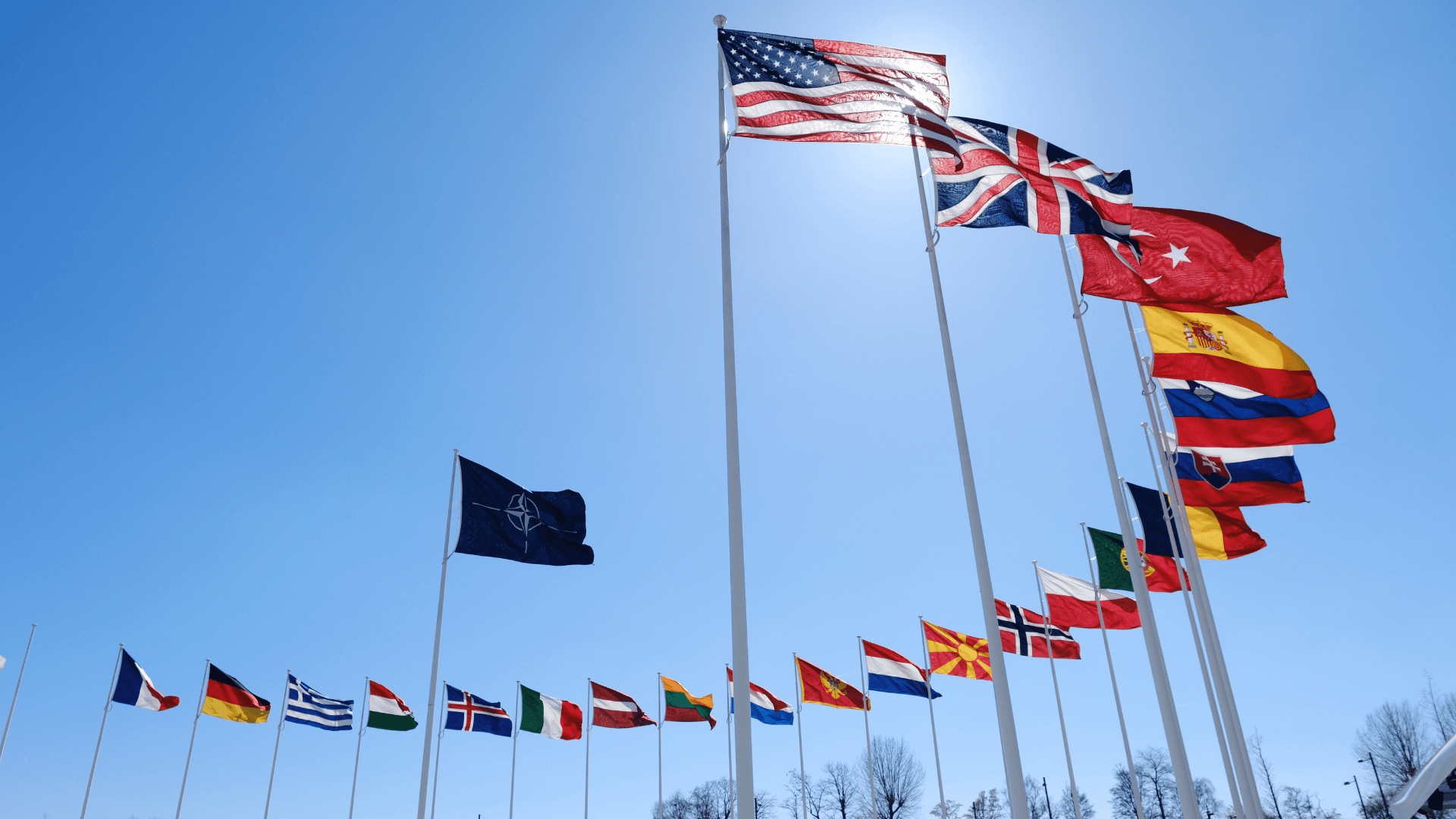
An emphasis has been put on the UK playing a lead role in NATO, in line with the UK’s “NATO-first” policy. Defence partnerships across Europe have already been strengthened through agreements with Germany, France and Norway. Defence diplomacy will contribute to a more secure UK homeland through working with allies and learning from shared experiences to improve resilience and preparedness. This included commitments to maintain an essential UK defence presence abroad. Export opportunities in the Middle East, Indo-Pacific, Africa, Latin America, and the Caribbean are being prioritised to maintain key relationships with regional partners.
A new international collaboration and exports area under the National Armaments Director (NAD), has been established; this builds on the creation Department of Defence Exports as mentioned in the 2025 Defence Industrial Strategy. The UK’s first standardised government-to-government offer will support the Department of Defence Exports by bringing together existing expertise and recognised processes with industry. This defines the style of export, as well as the support that industry and partner nations will receive by procuring in the UK, ensuring a competitive position within the defence market.
The government will work to embed industrial relationships into defence diplomacy through continuing (and improving) co-ordination with UK Trade Envoys to identify and support export opportunities. This Industrial Diplomacy will allow trade associations such as ADS to aid with fostering international opportunities. This could include trade missions, such as the ADS-led UK-Ukraine engagement, connecting governments and industry to deliver growth across aerospace, defence, security, and space. We expect this to be increasingly significant for ADS members, as global partnerships will play a role in how businesses and governments drive and prioritise defence exports.
Defence network
The Defence Diplomacy Strategy recognises the importance of building and maintaining a network of people, skills, and experience in order to deliver defence diplomacy.
International collaboration requires skill in relationship building, negotiation and cultural awareness. The government is to set training for international facing roles, UK Defence Attachés, and wider personnel in defence diplomacy roles. This includes a network to share experiences of international engagements. ADS facilitates this networking through various events ranging from trade shows, to webinars, to dinners. Farnborough Airshow was mentioned in the strategy as a prime opportunity to give defence visibility, fostering powerful representations of the UK, its values, history and culture.
Investing in people, processes, and technology
In line with the Defence Industrial Strategy, the government will work more closely with international partners and allies to ensure industrial resilience, and drive growth. Defence Diplomacy intends to make the UK a more attractive place to invest in defence, helping to establish the UK at the leading edge of innovation in NATO. Defence Diplomacy activity will not just be driven by defence personnel, but also by other appropriate mechanisms such as the Department for Science, Innovation and Technology. The government will also work more closely with Think Tanks, providing a mechanism for strengthening dialogue with foreign governments and international Think Tanks. The involvement of Think Tanks in shaping diplomacy will play an influential role in shaping public perception of threats and policy options.
Conclusion
The Defence Diplomacy Strategy emphasises the need to collaborate with wider government bodies, foster bilateral and multilateral relationships, and to share resources and experiences to invest in UK excellence. The government has recognised the value and importance in relationships, understanding the industrial advantage this would have for the UK.
ADS is keen to work with its members to foster these partnerships, working together to strengthen UK defence diplomacy.