
The UK Defence ESG Charter brings together organisations committed to improving environmental, social and governance (ESG) performance, helping to build a more sustainable, resilient and responsible sector for the future.
Through data and practical case studies, the latest annual report showcases the progress made by Charter signatories. In this example, we highlight Babcock’s award-winning project to derive hydrogen from wastewater, demonstrating how innovative thinking can turn waste into a valuable resource while supporting Net Zero ambitions.
CASE STUDY: BABCOCK
HYDROGEN DERIVED FROM WASTEWATER AT HMNB DEVONPORT
Babcock International Group (Babcock) collaborated with partners to trial a pioneering clean energy solution. The team developed a small-scale hydrogen production plant that converts polluted water, such as rooftop rainwater and river water, into carbon-free hydrogen fuel.
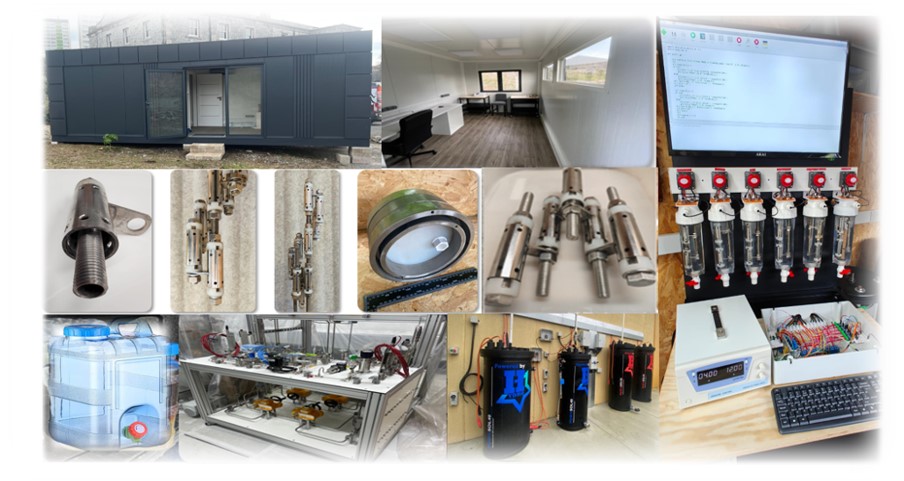
At the heart of the project was an on-site demonstrator system at Babcock’s Devonport facility designed to produce, store, and use green hydrogen to supply green power. Using the HydroStar System, wastewater was transformed into 98% pure hydrogen through a hydrolysis process. The aim was to assess the feasibility and cost-effectiveness of scaling up this method to create a drop-in hydrogen alternative to HVO diesel.
The trial demonstrated that hydrogen could help reduce Scope 3 emissions across Babcock’s Devonport facility and shoreside power applications, while also supporting clean shipping fuel and improving water efficiency across operations. It provided valuable insights into the costs of on-site hydrogen production and enabled comparisons with commercial pricing for locally manufactured, zero-emission energy.
The University of Plymouth validated the environmental, economic, and social impacts through life cycle assessments and economic analysis. Key findings included reduced reliance on white diesel, lower nitrogen oxide emissions, and opportunities to enhance biodiversity, prevent river pollution, improving air quality, protecting resources, the environment and energy security.
This innovation highlights the potential of a maritime circular economy where wastewater becomes a valuable resource to power dockside infrastructure and vessels. The project not only proves the viability of zero-carbon hydrogen fuel production but also lays the groundwork for its future use in Babcock’s dockyard operations.
Babcock won the Net Zero Resource Efficiency category at this year’s Ministry of Defence (MOD) Sanctuary Awards with this project.
About the UK Defence ESG Charter
The UK Defence ESG Charter is a collaborative effort by the UK’s defence sector that aims to drive ambition and action on sustainability. Promoting greater transparency, signatories to the Charter are dedicated to working together to meet commitments focused on climate transition and clean tech, societal impact and governance and ethics.
The UK Defence ESG Charter now has 18 signatories, from an initial seven inaugural companies. Each has supported ADS through data and case studies in the composition of our annual reports. The Charter itself was also shortlisted for the 2025 Trade Association Forum Awards in the category: Environment, Social & Governance Initiative of the Year.
Contact us on esg@adsgroup.org.uk for more information and to get involved.