
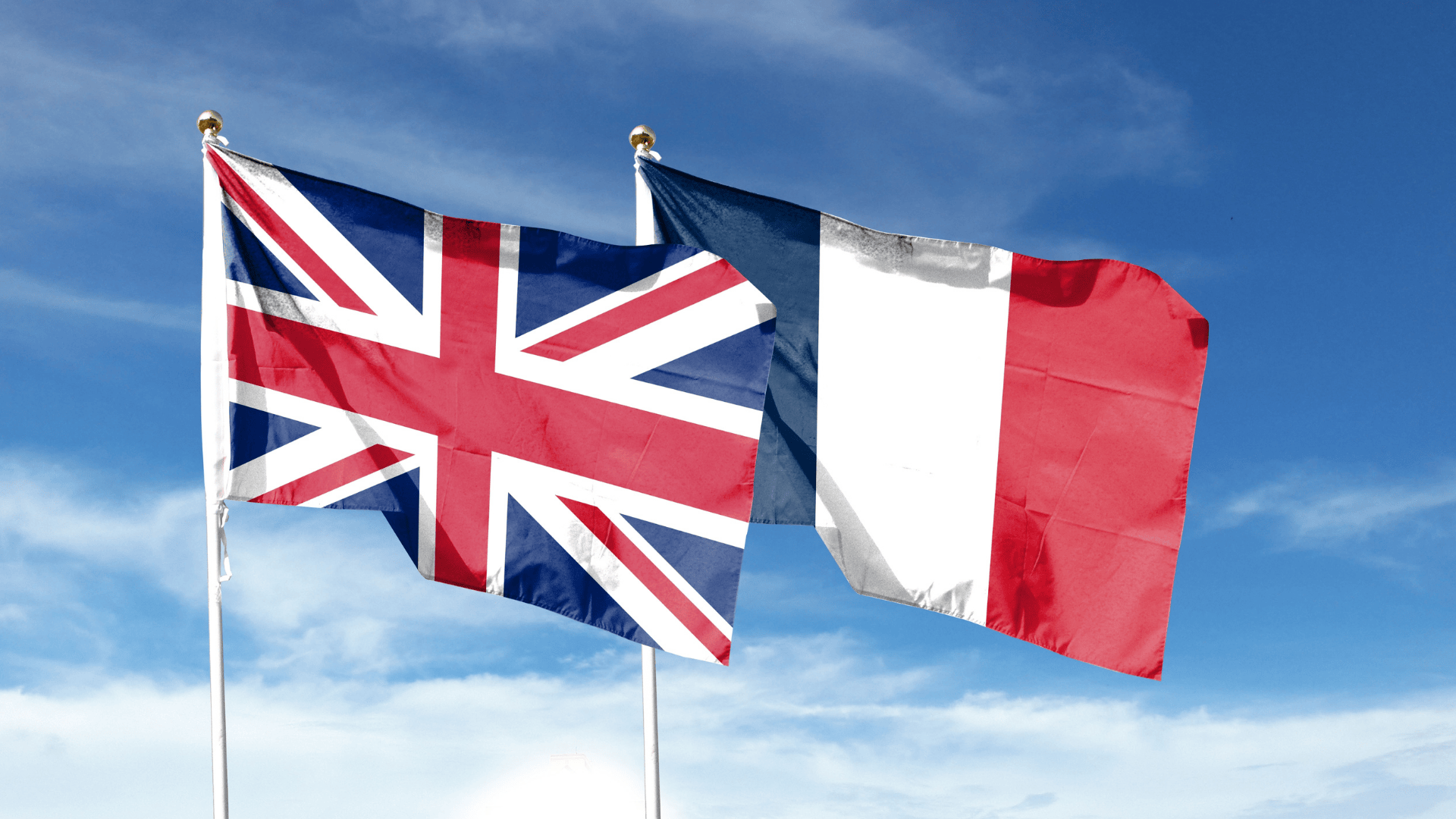
On 10 December 2025, The UK was formally acceded to the Agreement on Defence Export Controls, joining France, Germany, and Spain as parties.
ADS and GIFAS have issued a joint-statement, warmly welcoming the accession of the UK to the Agreement and delivering a united industrial voice of support.
The Chief Executives of ADS and GIFAS, representing the aerospace, defence, security and space industries in France and the United Kingdom respectively, warmly welcome the accession of the United Kingdom to the Agreement on Defence Export Controls, alongside France, Germany and Spain as previously advocated in a joint ADS-GIFAS policy paper.
As highlighted in the Lancaster House 2.0 Declaration on Modernising UK-French Defence and Security Cooperation signed on 10 July 2025, joint and innovative industrial programmes are essential for Europe to strengthen its warfighting readiness and deterrence posture. In this context, ADS and GIFAS particularly welcome the UK’s integration to this Agreement as a concrete and timely outcome of the political ambitions set by their governments, grounded in mutual trust and a commitment to robust export control systems.
France, Germany, Spain and UK’s decision reflect a shared determination to strengthen and promote close cooperation in Europe between their defence industries. ADS and GIFAS welcome the recognition of the key role played by harmonised regulations and coordinated export control approaches in enabling seamless cooperation and reducing friction in multinational industrial projects.
By lowering administrative burdens and providing greater predictability for companies and supply chains involved in cooperative programmes, the extended Agreement will enhance agility, streamline industrial processes and accelerate the delivery of critical defence capabilities.
ADS and GIFAS urge the competent authorities to ensure the swift, transparent, and effective implementation of the UK’s integration into the Agreement, so that its benefits can be rapidly realised for both current and future programmes. At a time of heightened security challenges, delivering at pace is not only an industrial priority but an operational imperative for Europe’s collective.